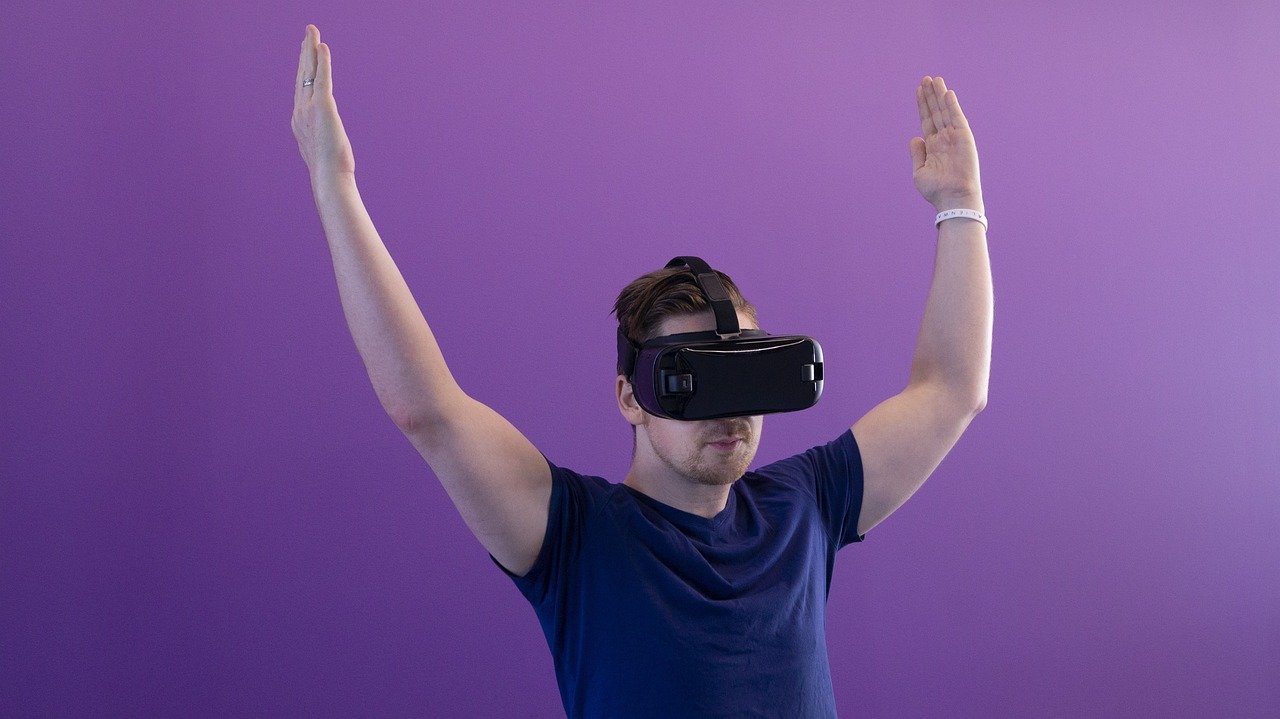

My first VR headset went back in the box after two sessions because I felt queasy both times, and I assumed VR just “wasn’t for me.” Years later I tried a different headset and played for two hours straight with zero nausea. Same person, same games almost. The difference wasn’t tolerance — it was two specific hardware numbers I didn’t know to check the first time.
Refresh Rate: 120Hz Is a Real Threshold, Not a Marketing Number
A controlled study testing 60Hz, 90Hz, 120Hz, and 180Hz found something specific: going from 90Hz to 120Hz cut reported motion sickness by roughly 8%, and 120Hz turned out to be the actual threshold where most users stop feeling simulator sickness symptoms. Pushing further to 144Hz or 180Hz showed no statistically significant additional benefit for most people. That’s a meaningfully different claim than “higher refresh rate is always better” — it means a 90Hz headset genuinely is more likely to make you sick than a 120Hz one, but paying extra for 180Hz over 120Hz is very likely wasted money on this specific axis.
The mechanism is straightforward once you know it: motion sickness in VR comes largely from a mismatch between what your inner ear feels (nothing) and what your eyes see (movement). A higher refresh rate shortens the gap between you turning your head and the display updating, tightening that sensorimotor loop. Under roughly 20ms of motion-to-photon latency combined with 90Hz+ refresh is the baseline for comfort; 120Hz is where most people stop noticing the gap at all.
Weight Distribution, Not Total Weight, Is the Neck-Strain Variable
The second number nobody puts on a spec sheet: how the headset’s weight is distributed, not how much it weighs. For sessions longer than 2.5 hours, every 10 grams above roughly 170g on the front of the headset correlates with measurable neck strain after about 90 minutes. But here’s the counterintuitive part — a 700-gram headset with a rear battery pack and proper counterweighting can feel more comfortable over a long session than a 500-gram headset that puts almost all its weight on your face. If a headset gives you neck fatigue within 30 minutes, that’s almost always a balance problem, not a total-mass problem.
Practically: when you’re comparing headsets, ignore the “grams” spec on its own and look for whether the battery or heaviest component sits at the back of the head strap (rear-mounted battery designs) versus bolted to the front near your eyes. That single design choice predicts your actual comfort ceiling better than the total weight number does.
What This Means Before You Buy or Blame Yourself
If you tried VR once, felt sick, and wrote it off — check what refresh rate that headset ran at. A lot of early and budget headsets sit at 72-90Hz, which is below the 120Hz comfort threshold the data points to. That’s not a “some people just can’t do VR” problem for most users; it’s frequently a hardware spec problem. Same logic for neck fatigue: if a headset hurt after 20-30 minutes, look at whether the weight was rear-balanced before concluding VR sessions just aren’t for you.
For anyone shopping now: prioritize 120Hz+ panels and rear-weighted designs over headsets marketed primarily on resolution or field of view. Those specs matter for visual quality, but they don’t move the needle on whether you can actually tolerate wearing the thing for an hour.
If you’re weighing this decision, it’s also worth reading What Is a Good Refresh Rate for Gaming?.
This pairs well with our guide, The Headset Spec That Actually Decides If You Hear Footsteps First.
FAQ
Is 120Hz actually necessary to avoid VR motion sickness?
Research found it’s a real threshold — sickness reports drop meaningfully from 90Hz to 120Hz, with little added benefit going higher. It’s not just a marketing number.
Does a lighter VR headset always mean less neck strain?
No. Weight distribution matters more than total weight — a heavier headset with rear counterbalancing can be more comfortable than a lighter, front-heavy one.
How long can you comfortably play VR before fatigue sets in?
With good weight balance and facial interface fit, roughly 90 minutes is achievable for most people. Front-heavy designs can cause fatigue in as little as 20-30 minutes.
Related Guides
- How Virtual Reality Is Actually Changing Gaming in 2026
- VR’s Role in Multiplayer Gaming: What Actually Works
- The Future of VR Gaming: What’s Confirmed vs. Hype




1 thought on “The Two Numbers That Actually Predict Whether You’ll Get VR Sick (Not the Ones You Think)”