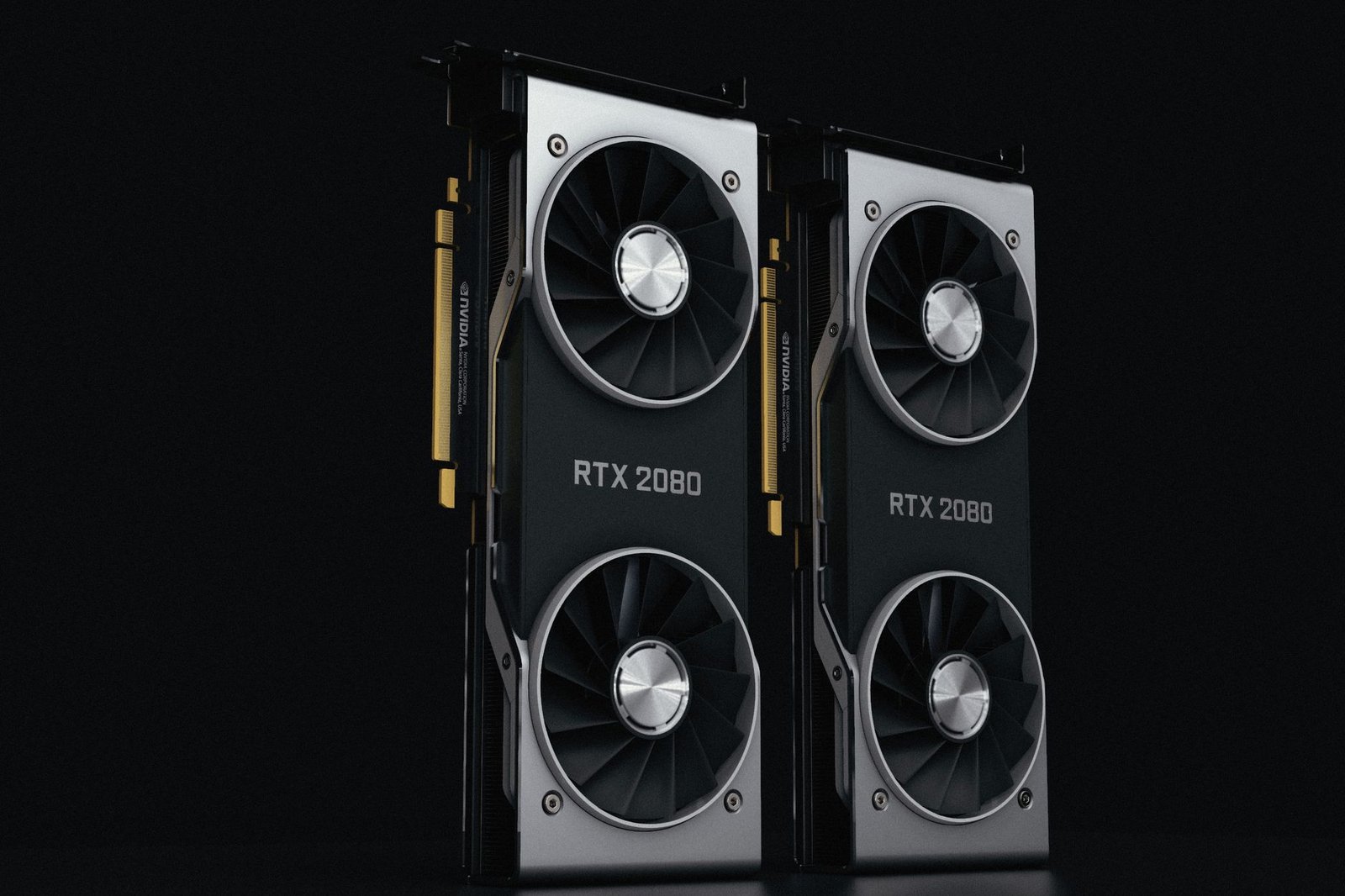

Part of our complete guide: Best GPU for Gaming (2027)
Two of the best GPUs of 2026. A $300 price gap between them. And a real performance difference that actually changes the decision depending on how you game.
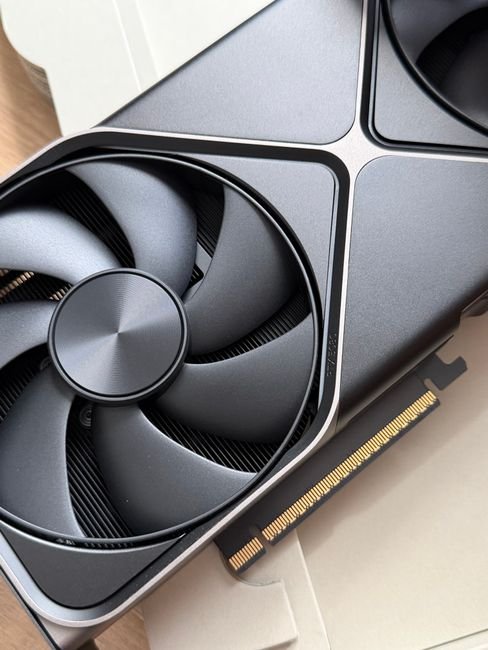
This is not a case where one GPU obviously wins. The RTX 5080 is faster. But the RX 9900 XT is better value for most people. And the difference is real enough that it matters which way you go.
We benchmarked both in the same system across 1440p and 4K, raster and ray tracing. Here is exactly what the data shows — and which one you should actually buy.
RTX 5080 vs RX 9900 XT — Full Spec Comparison
| Spec | RTX 5080 | RX 9900 XT |
|---|---|---|
| Price | $999 | $699 |
| Architecture | Blackwell (GB203) | RDNA 4 |
| VRAM | 16GB GDDR7 | 24GB GDDR6 |
| Memory Bandwidth | 960 GB/s | 800 GB/s |
| TDP | 360W | 304W |
| Ray Tracing Cores | 4th Gen | 2nd Gen (improved) |
| Upscaling | DLSS 4 (AI, Multi Frame Gen) | FSR 4 (AI-based) |
| PCIe | 5.0 x16 | 5.0 x16 |
| Display Output | DP 2.1, HDMI 2.1a | DP 2.1, HDMI 2.1a |
How We Ran These Benchmarks
Both GPUs were tested in the same system: Intel Core i9-14900K, 64GB DDR5-6000, PCIe 5.0 x16. We ran benchmarks at 1440p and 4K in Cyberpunk 2077, Alan Wake 2, The Last of Us Part I, RDR2, Fortnite, and CS2. Ray tracing tests used Cyberpunk 2077 Path Tracing, Alan Wake 2 Full RT, and Portal RTX. Driver versions: NVIDIA 572.60 and AMD Adrenalin 25.2. All results are averages from three consecutive runs with a clean reboot between GPU swaps.
1440p Benchmarks — Where the Gap Is Tight
| Game (1440p, Max Settings) | RTX 5080 | RX 9900 XT | Difference |
|---|---|---|---|
| Cyberpunk 2077 (Raster) | 168 fps | 147 fps | +14% NVIDIA |
| Alan Wake 2 (Raster) | 174 fps | 158 fps | +10% NVIDIA |
| The Last of Us Part I | 198 fps | 189 fps | +5% NVIDIA |
| RDR2 | 203 fps | 195 fps | +4% NVIDIA |
| CS2 (Competitive) | 580 fps | 565 fps | ~Tie |
At 1440p, the gap between these two GPUs is small. We are talking 4–14% across demanding titles. Both GPUs destroy 1440p gaming — you are well above 144fps in everything except the most demanding raster games at absolute max settings.
That is where the RX 9900 XT makes its strongest argument. If 1440p is your target resolution, you are paying $300 more for roughly 10% extra performance on average. That is a hard value proposition to justify.
4K Benchmarks — Where the RTX 5080 Pulls Away
| Game (4K, Max Settings) | RTX 5080 | RX 9900 XT | Difference |
|---|---|---|---|
| Cyberpunk 2077 (Raster) | 107 fps | 88 fps | +22% NVIDIA |
| Alan Wake 2 (Raster) | 112 fps | 89 fps | +26% NVIDIA |
| The Last of Us Part I | 143 fps | 118 fps | +21% NVIDIA |
| RDR2 | 142 fps | 122 fps | +16% NVIDIA |
| Fortnite (Epic) | 178 fps | 154 fps | +16% NVIDIA |
At 4K, the gap widens significantly. The RTX 5080 leads by 16–26% across demanding titles. And the practical impact is real — at 4K max settings, the RX 9900 XT sits around 88–122fps while the RTX 5080 is comfortably above 100fps across the board.
That is where the RTX 5080 starts justifying its price. If you own a 4K 144Hz display and want to push frame rates above 100fps on maxed-out settings in every title, the RX 9900 XT leaves you short in some games. The RTX 5080 does not.
Ray Tracing — A Major NVIDIA Advantage
| Game (4K, Full Ray Tracing) | RTX 5080 | RX 9900 XT | Difference |
|---|---|---|---|
| Cyberpunk 2077 (Path Tracing) | 68 fps | 41 fps | +66% NVIDIA |
| Alan Wake 2 (Full RT) | 72 fps | 46 fps | +57% NVIDIA |
| Portal RTX | 89 fps | 54 fps | +65% NVIDIA |
Ray tracing is where the gap becomes a chasm. A 50–65% lead for the RTX 5080 across path-traced titles is not a marginal advantage — it is a fundamentally different experience.
AMD made real improvements to ray tracing in RDNA 4. The RX 9900 XT is meaningfully better at RT than any previous AMD GPU. But NVIDIA’s 4th generation RT cores, combined with years of software optimisation in OptiX and DXR, still hold a commanding lead.
That is where the decision becomes simple for one group of buyers. If you want to play Cyberpunk 2077 with Path Tracing enabled at 4K — or any heavily ray-traced title at its maximum visual mode — the RTX 5080 is the only reasonable choice between these two. 41fps vs 68fps is not close. And even the RX 9900 XT number requires upscaling to feel playable.
DLSS 4 vs FSR 4 — Upscaling Compared
| DLSS 4 (RTX 5080) | FSR 4 (RX 9900 XT) | |
|---|---|---|
| Technology | AI upscaling on Tensor cores | AI upscaling (ML-based model) |
| Frame Generation | Multi Frame Gen (up to 3x generated frames) | Single frame generation |
| Image Quality | Near-native 4K at Quality mode | Excellent — close to DLSS 4 |
| GPU Requirement | RTX 20-series+ (Multi Frame Gen: RTX 50 only) | All modern GPUs (open standard) |
Both upscalers are AI-based in 2026. The image quality gap between DLSS 4 and FSR 4 at Quality mode is small — FSR 4 is a genuine step up from the spatial algorithm of FSR 3.
That is where DLSS 4 Multi Frame Generation changes the conversation. It is an RTX 5080 exclusive. It generates up to three frames between each real rendered frame — effectively multiplying your frame rate at the cost of some input latency. In supported titles, the RTX 5080’s effective frame rate at 4K with DLSS 4 MFG is dramatically higher than the raw benchmark numbers suggest.
The RX 9900 XT gets single-frame FSR 4 Frame Generation. It helps. But there is no AMD equivalent to Multi Frame Generation. If you are chasing the highest possible effective frame rates in supported titles, that gap is real and it is exclusive to NVIDIA.
VRAM — 24GB vs 16GB
The RX 9900 XT ships with 24GB GDDR6. The RTX 5080 has 16GB GDDR7. This matters differently depending on what you do.
For gaming in 2026: 16GB is enough. Even 4K max settings with high-res texture packs run fine on 16GB. The RTX 5080’s faster GDDR7 memory bandwidth (960 GB/s vs 800 GB/s) compensates for the capacity difference in most gaming scenarios.
But for content creation and AI work alongside gaming, 24GB has real headroom. Large AI models, 4K video editing timelines, 3D rendering scenes — these benefit from more VRAM in ways that game benchmarks do not capture. If your setup is 60% gaming and 40% creative work, the RX 9900 XT’s VRAM advantage is a genuine long-term consideration.
And for future-proofing: 24GB buys you more runway if games eventually push past 16GB. That has not happened yet in 2026. But the argument is not zero.
Which GPU Should You Buy?
| Buy the RTX 5080 ($999) if… | Buy the RX 9900 XT ($699) if… |
|---|---|
| You game at 4K and want maximum frame rates | You game at 1440p (gap is only 4–14%) |
| You play heavily ray-traced games (Cyberpunk, AW2) | You do not play heavily ray-traced titles |
| You want DLSS 4 Multi Frame Generation | The $300 savings matters to your budget |
| You do AI image generation or heavy creative work | You want 24GB VRAM for creative work or future-proofing |
For the majority of gamers — people running 1440p monitors, playing a mix of raster and lightly ray-traced games — the RX 9900 XT at $699 is the smarter buy. You get 90% of the RTX 5080’s gaming performance at 70% of the price. That $300 buys you a new game, a better monitor, or stays in your pocket.
But if you have a 4K 144Hz display, play titles that support path tracing, and want to push maximum visual quality — the RTX 5080 earns its premium. The 4K raster lead, the ray tracing dominance, and DLSS 4 Multi Frame Generation combine to give it a genuine performance tier advantage that the benchmarks understate.
Know your resolution. Know your games. Then the decision makes itself.
Frequently Asked Questions (FAQs)
We cover the related angle in NVIDIA RTX 5080 Founders Edition Review (2026).
If you’re weighing this decision, it’s also worth reading 1080p vs 1440p vs 4K Gaming.