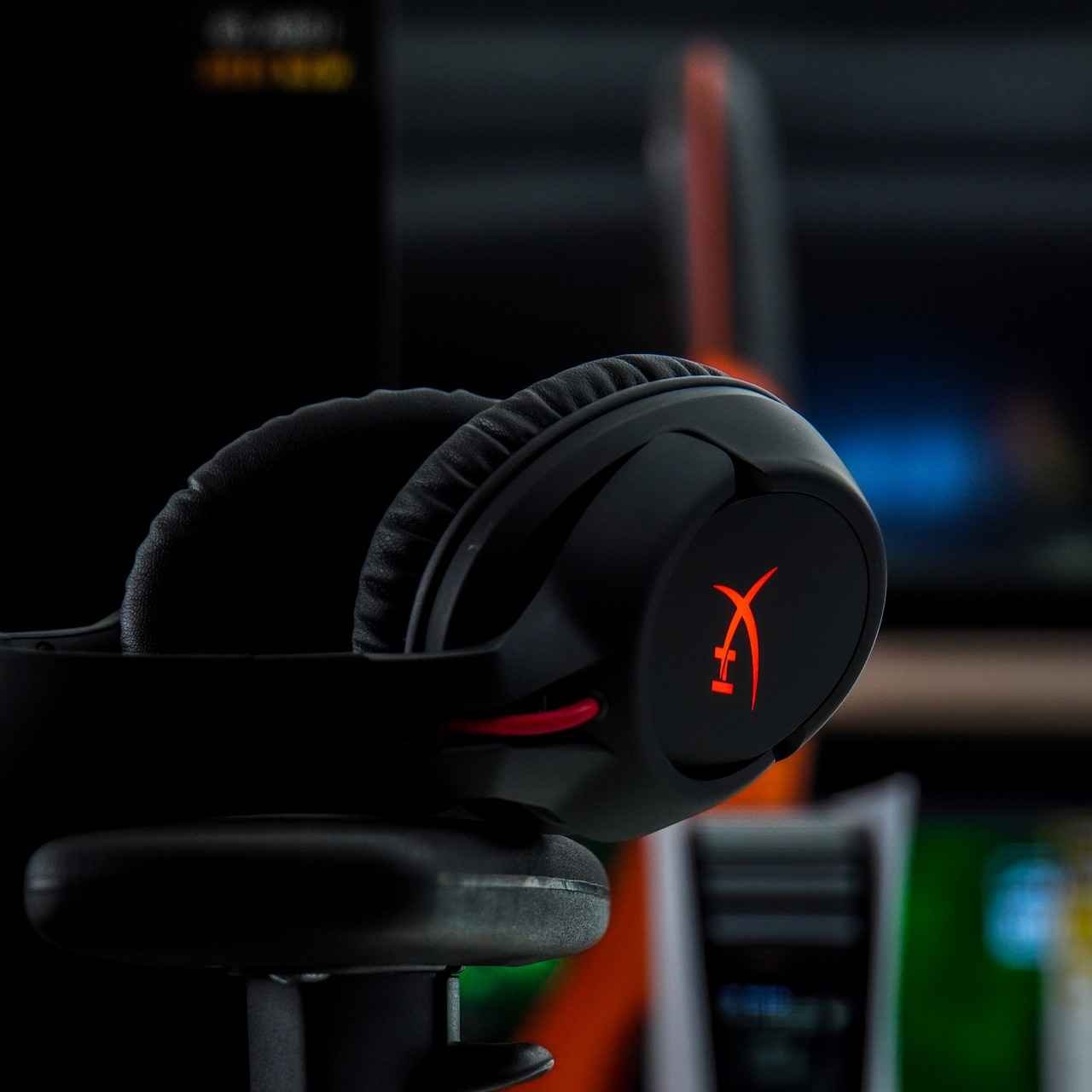

I lost a rank in Valorant convinced my aim had gotten worse. It hadn’t — I’d switched to a Bluetooth headset a week earlier because it looked cleaner on my desk, and I was hearing enemy footsteps a fifth of a second after they were already peeking me. That’s not an exaggeration or a vibes-based complaint. It’s a measurable number, and once I looked it up, the fix was obvious.
The Latency Number Every “Best Headset” List Skips
Standard Bluetooth audio runs at roughly 150-200ms of latency. A dedicated 2.4GHz wireless connection — the kind that comes with its own USB dongle instead of pairing through your OS Bluetooth stack — runs at 15-20ms. Even Bluetooth’s low-latency codec, aptX LL, only gets you to about 40ms. That gap isn’t audiophile nitpicking: at 200ms of audio delay, you are hearing an enemy’s footsteps after they’ve already turned a corner and started shooting, not before. The 2.4GHz dongle bypasses your computer’s audio stack entirely and sends uncompressed audio point-to-point, which is the whole reason it’s faster.
Practically: if a “wireless” headset’s box only mentions Bluetooth, it is not built for competitive play, full stop. If it lists a 2.4GHz USB receiver as the primary connection (with Bluetooth as a bonus for calls or mobile), it’s in the right category. This one spec eliminates more bad options than reading twenty reviews.
Open-Back vs. Closed-Back: The Part Where Pros Actually Disagree With the Data
Here’s a genuinely surprising finding once you dig past the marketing: independent testing in CS2 found roughly a 27% improvement in enemy-detection accuracy with open-back designs, because the wider soundstage gives you a more natural sense of distance and direction — footsteps sound like they’re happening in a room, not inside your skull. By that logic, every serious competitive player should be running open-back.
They mostly aren’t. At the pro level, closed-back headsets outnumber open-back, and the reason has nothing to do with audio accuracy — it’s crowd noise. LAN environments are loud enough that an open-back headset lets stadium noise bleed straight into your ears over the game audio, which defeats the purpose entirely. So the real answer splits by environment: if you play in a quiet room, open-back is the technically better pick for footstep positioning. If you play with a noisy household, roommates, or ever compete on a loud stage, closed-back’s isolation wins even though the raw soundstage is narrower. Footsteps in games like Valorant sit mostly in the 1-4kHz range, and both headset types can reproduce that band fine — the difference is how much of everything else you’re hearing along with it.
What This Means for What You Actually Buy
Skip any headset guide that leads with “comfort” and “battery life” as the top two bullet points — those matter, but they don’t lose you rounds. In order of what actually affects gameplay: connection type (2.4GHz over Bluetooth, no exceptions, for competitive titles), then open vs. closed based on how quiet your actual play environment is, then everything else. A $60 headset with a proper 2.4GHz dongle in a quiet room will outperform a $250 headset running Bluetooth every time it matters.
If you already own a Bluetooth-only headset and don’t want to replace it yet, check whether it supports aptX Low Latency in its companion app — it won’t match a 2.4GHz dongle, but 40ms is meaningfully better than 200ms and might be enough to stop losing duels you should be winning.
If you’re weighing this decision, it’s also worth reading Best Wireless Gaming Headset for PS5 in 2026 (Tested & Ranked).
This pairs well with our guide, SteelSeries Arctis Nova Pro Wireless Review (2026).
FAQ
Is 2.4GHz always better than Bluetooth for gaming headsets?
For anything competitive, yes — the latency gap (15-20ms vs. 150-200ms) is large enough to change whether you hear footsteps before or after an enemy is already visible. For casual or single-player games, the difference won’t matter.
Should I buy an open-back headset for footstep detection?
Only if you play in a genuinely quiet room. The soundstage advantage is real (around 27% better detection accuracy in testing), but it disappears the moment there’s background noise for it to let in.
Why do pro players use closed-back headsets if open-back tests better?
Tournament and LAN environments are loud. Closed-back isolation matters more on a stage with crowd noise than the extra soundstage accuracy of open-back designs.


2 thoughts on “The Headset Spec That Actually Decides If You Hear Footsteps First”